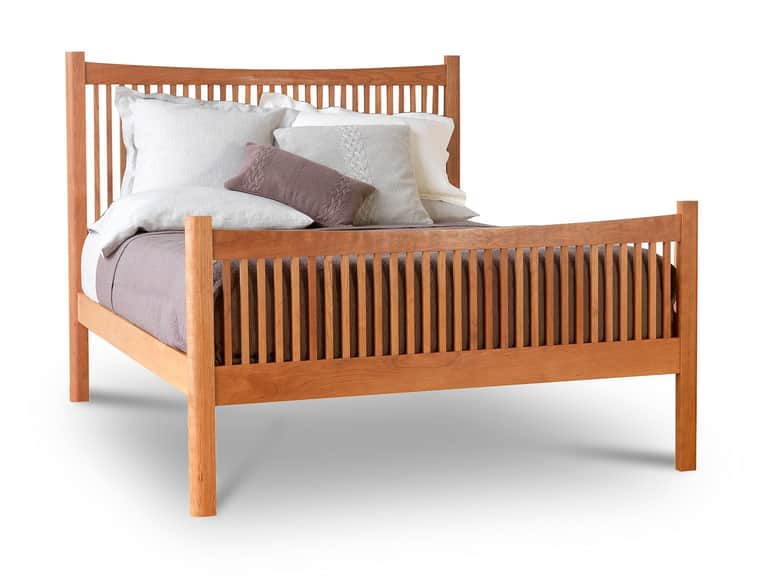
Heartwood Shaker High Footboard Bed
Handmade in Vermont from solid wood, this eco-friendly, clean-lined Shaker bed endures daily use with timeless warmth and calm presence, aging gracefully while preserving natural character.
A headboard is more than a decorative anchor for a bed. It is a statement about material choices, environmental responsibility, and the quiet rituals of a bedroom that prioritizes air quality as much as aesthetics. In this guide, we explore organic, sustainable materials that shape headboards—new solid wood, bamboo, reclaimed sources, and natural fiber upholstery—and consider durability, finish requirements, and maintenance. The aim is to illuminate practical choices for homeowners who value longevity, health, and beauty in equal measure.
When we speak of organic in this context, we are not simply discussing a label but a constellation of choices that respect forests, farms, and workshops. The material you choose influences indoor air quality, the emissions associated with manufacturing, and the likelihood that your headboard will age gracefully with your space. Below, we survey four core paths: new solid wood with certified stewardship, bamboo as a rapidly renewable option, reclaimed wood with its own history, and natural fiber upholstery that wraps a wooden frame in a breathable, toxin-light cover.
Solid wood headboards carry an inherent warmth and architectural presence that few materials can replicate. The organic, ethical dimension comes from certifications that govern how the wood is harvested and processed. The most widely recognized is the Forest Stewardship Council (FSC), which labels wood from responsibly managed forests. When you opt for FSC-certified boards, you align your bedroom with a chain of custody that traces from forest to finish, mitigating illegal logging and promoting forest resilience.
Beyond certifications, finish is a critical part of the organic story. Natural or low-VOC oils and finishes allow the wood to breathe and age gracefully without introducing off-gassing that can linger in closed bedrooms. An oil finish—such as tung or linseed oil—can accentuate the grain while offering durable protection. The goal is a surface that wears with use, developing character rather than peeling under the weight of time and sunlight.
Bamboo has become a touchstone for sustainable furniture due to its rapid growth, resilience, and density. It behaves differently from traditional hardwoods, with unique grain patterns and a distinctive feel under touch. Organic bamboo headboards typically require careful sourcing to ensure the processing steps avoid harsh chemicals and reduce environmental impact. Look for bamboo that is processed with water-based finishes and consider whether the final product uses bamboo fibers as a structural element or as a veneer over a core that provides stability.
As with wood, certifications matter. Some bamboo products carry FSC certification, while others emphasize low-formaldehyde finishes or closed-loop resin systems designed to minimize volatile organic compounds. For a bedroom environment, the invisible story of off-gassing matters as much as the visible beauty of the grain.
Reclaimed wood carries a narrative that transcends its physical presence. Each plank might bear the patina of old beams, weathered boards, or salvaged timber from demolished structures. Using reclaimed wood for a headboard reduces demand on new forests and embraces a circular approach to furniture. The practicalities include ensuring structural integrity, removing legacy finishes, and stabilizing planks to resist warping or squeaking with age. A responsible retrofit would include a stable finish—often a plant-based oil or a low-VOC sealant—that preserves the wood’s texture while repelling moisture and grime.
Finishing with transparency allows the wood’s history to remain legible. The grain, nail marks, and weathering patterns become a design feature, a quiet autobiography written in rings and scars. If you lean into reclaimed wood, you are not just choosing a product; you are choosing a philosophy of reuse and care.
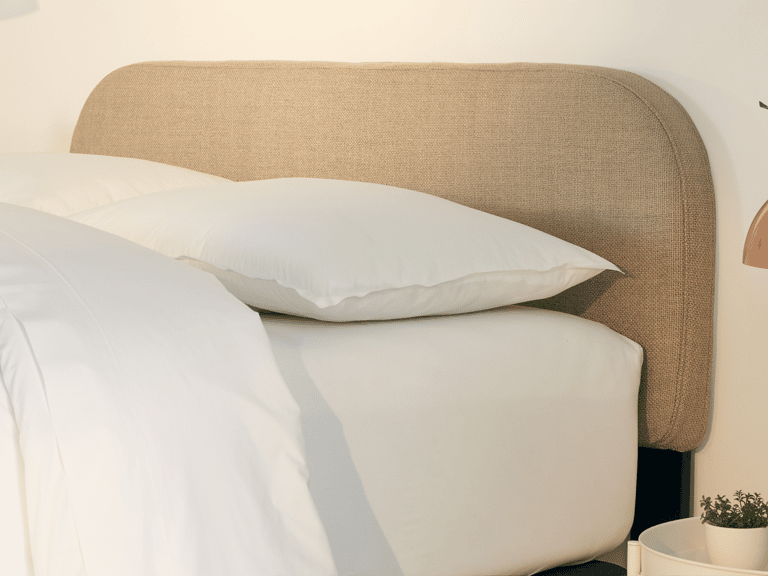
At times the organic story for a headboard extends to its surface. Natural fiber upholstery—such as organic cotton, jute, linen, or hemp—offers breathability and a tactile contrast to wood. When paired with a non-toxic filling and a wood frame sourced with care, upholstered headboards can deliver comfort without compromising ecological ideals. The upholstery choice also impacts maintenance: natural fibers tend to require gentler cleaning and longer-term care to prevent pilling or stretching, especially in bedrooms with high humidity or direct sunlight.
This option invites a softer silhouette within the same sustainable vocabulary. It is a reminder that organic design is not a single material but a constellation of compatible materials that together create a healthier, more poetic sleeping environment.
Durability is not merely about hardness; it is also about how a material behaves when compromised by humidity, temperature swings, or sunlight. Here, we examine each path through the lens of real-world living: how finishes hold up under daily use, how surfaces age, and what maintenance rituals sustain their beauty without eroding their healthful properties.
Solid wood offers enduring stability when properly sourced and finished. The key is selecting a species that resists warping and is well-suited to the climate of your home. Oak, maple, cherry, and walnut each carry distinct aesthetics and resilience profiles. The finish is the hinge: a natural oil finish can enrich the wood’s warmth and emphasize grain without creating a surface film that traps moisture. Temperature and humidity cycles over the seasons demand a finish that breathes, allowing the wood to respond gracefully over years of ownership.
Bamboo’s mechanical properties—rigidity, dimensional stability, and a fine distribution of fibers—make it a formidable contender for headboard structures. The finishing approach is crucial; water-based varnishes or natural oils preserve the tactile feel and reduce chemical exposure. Practical maintenance includes regular wiping with a damp microfiber cloth and occasional conditioning if the finish is oil-based. The bamboo path is attractive when you want a minimalist silhouette that still reads as warm and alive in a room.
The romance of reclaimed wood comes with responsibility. You should verify that old finishes, paints, or preservatives have been removed or stabilized and that the wood is free of pests. Finishes tend to be simpler—oil or wax-based—that highlight the boards’ history without introducing new toxins. Periodic maintenance includes cleaning dust with a soft cloth and reapplying a protective oil to keep the surface nourished and resilient against spills and wear.
Upholstery in organic fabrics offers a breathable counterpoint to the hardness of wood. Cotton, linen, hemp, or wool blends can be selected to balance softness with durability. The inner components—such as polypropylene-free springs or natural latex padding—require attention to avoid mold or mildew in humid environments. Choosing covers with removable, washable, and non-toxic fabrics provides practical maintenance that aligns with a health-forward bedroom aesthetic.
In a marketplace where products intersect with indoor air quality, it is prudent to consider certifications beyond the wood’s origin. FSC certification remains a benchmark for responsible forestry. For upholstery and fabrics, GOTS (Global Organic Textile Standard) and OCS (Organic Content Standard) offer meaningful assurances about fiber content and processing. Finishes that are low-VOC minimize volatile organic compounds that can accumulate in sleeping spaces. If you are building a bedroom ecosystem around an organic headboard, you should look holistically at the materials you select for sheets, mattresses, and additional furnishings, ensuring a consistent standard of cleanliness and sustainability.
Imagine a bedroom with a reclaimed-wood headboard, its surface kissed by years of sun and hands that sanded, oiled, and restored it to a quiet glow. The room’s palette moves around that warmth: soft neutrals, linen textiles, and a nightstand that echoes the grain’s irregular poetry. The headboard becomes not merely a boundary between sleep and wakefulness but a memory of sources, labor, and restraint. It is a reminder that sustainable design chooses not only what looks good but what keeps giving back—a small but telling act of stewardship every night as the lamp’s glow settles on the boards.
When considering organic headboard materials, one real-world touchpoint is selecting companion pieces that embody the same values. For example, a heartwood shaker bed, crafted from solid hardwoods with a refined oil finish, demonstrates how a thoughtful choice in a bed’s structural elements can echo an eco-conscious philosophy across a room. The Heartwood Shaker High Footboard Bed embodies the Arts and Crafts attention to proportion and finish that resonates with sustainable design principles, offering an anchor for a room that values artisanal craft and long-lasting materials.
Another example is a modular headboard option that seamlessly integrates with a Casper metal bed frame, offering a practical retrofit that preserves profile and function. These kinds of products demonstrate how modern convenience can coexist with organic material sensibilities when designed with care and transparency.
Choosing organic headboard materials is a quiet discipline: it asks you to probe the sources, test the finishes, and envision a room that ages with you rather than against you. It is a practice that invites patience—waiting for a board to mellow into its own character, for a finish to cure without releasing toxins, for a fabric to soften with time. In a world where sleeping environments increasingly intersect with health and climate concerns, the headboard becomes a focal point where aesthetics and ethics converge. The result is not simply a furniture decision but a microcosm of how we inhabit space—with restraint, care, and a reverence for materials that endure as long as our rest does.
Note: The material considerations above reflect general industry practices and certifications available as of 2026. Always verify current certifications and supplier practices before purchasing. For related bedding and sleep-system components, an overarching approach helps maintain a consistent organic standard across the bedroom ecosystem.